Projects
Conservation Nepal Fellowship
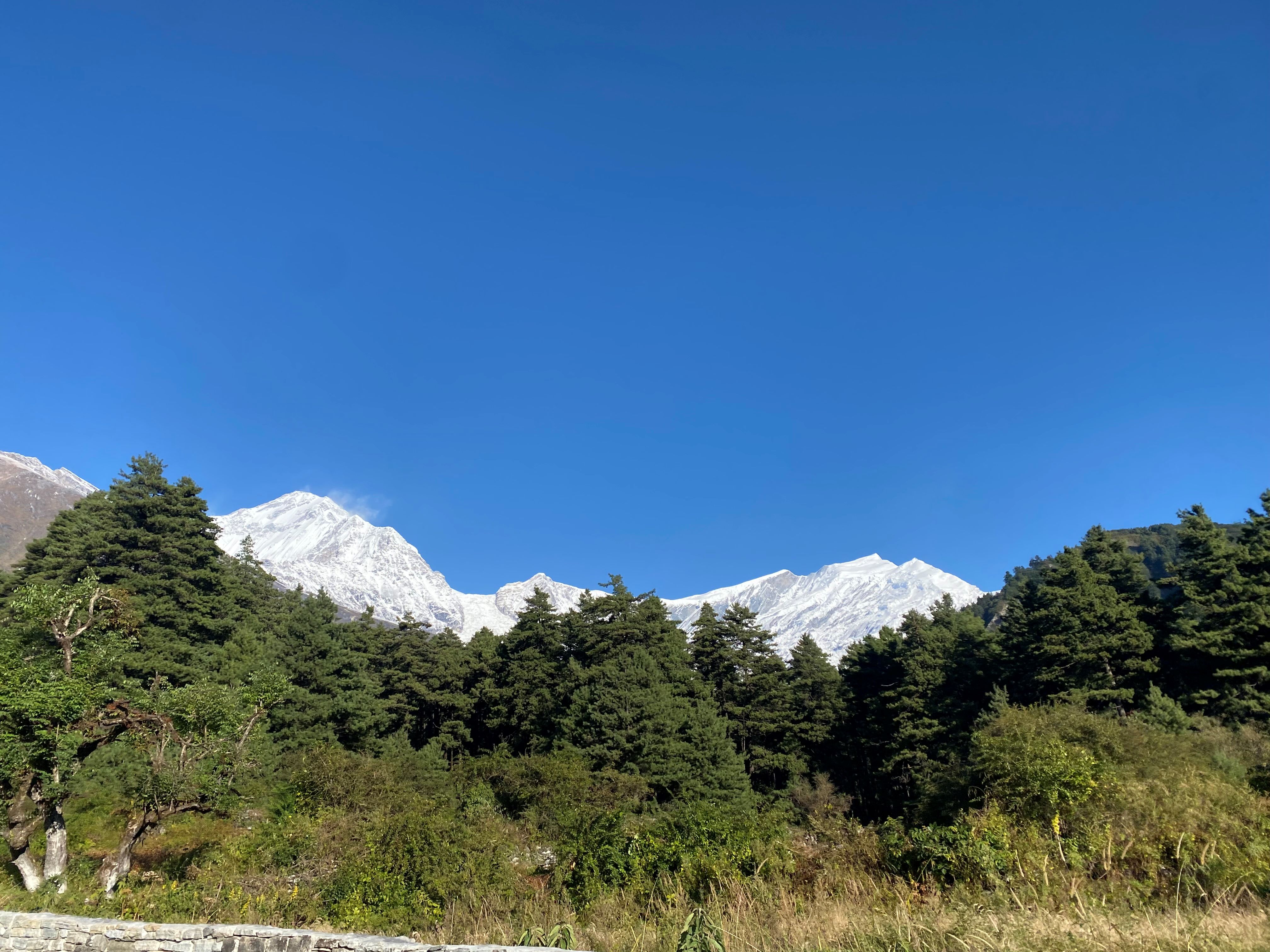
The Conservation Nepal (CN) Fellowship is CN's flagship initiative aimed at supporting science-driven and groundbreaking research to conserve Nepal’s rich biodiversity. In line with CN’s commitment to "translating knowledge into action," this fellowship program provides essential funding for ecological research and for species in conservation crisis. The primary goals are to maintain a database of long-term ecological research and to empower early-career researchers and practitioners to advance conservation efforts through rigorous scientific study and practical applications. Each year, CN awards grants through this fellowship program, supporting various conservation themes. It aims to generate long term ecological data and prioritizes critical ecosystems to address the urgent need for preserving such ecosystems and supporting the survival of specialist species.
a flagship annual program of CN aimed at supporting science-driven and groundbreaking research
The CN Fellowship is committed to conducting long-term research that builds a detailed understanding of conservation-priority species and their ecosystems. With consistent data collection over the years, the fellowship aims to provide insights into population trends, habitat requirements, and pressures impacting these species. This continuous research not only contributes to the direct conservation of vulnerable species but also serves as an evidence-based resource for policymakers, supporting sustainable conservation practices. Additionally, this data repository serves as a foundation for future advanced research, enabling more precise and impactful conservation efforts for years to come.
Join Us in Supporting Nepal's Biodiversity Research
CN encourages passionate institutions, individuals, and all stakeholders to join us in securing the necessary funds for these research initiatives. Your contribution to the Conservation Nepal Fellowship will directly support research and capacity-building efforts aimed at preserving Nepal’s rich ecosystems and biodiversity.